Mosquito & Sand Fly Control in Paphos & Peyia
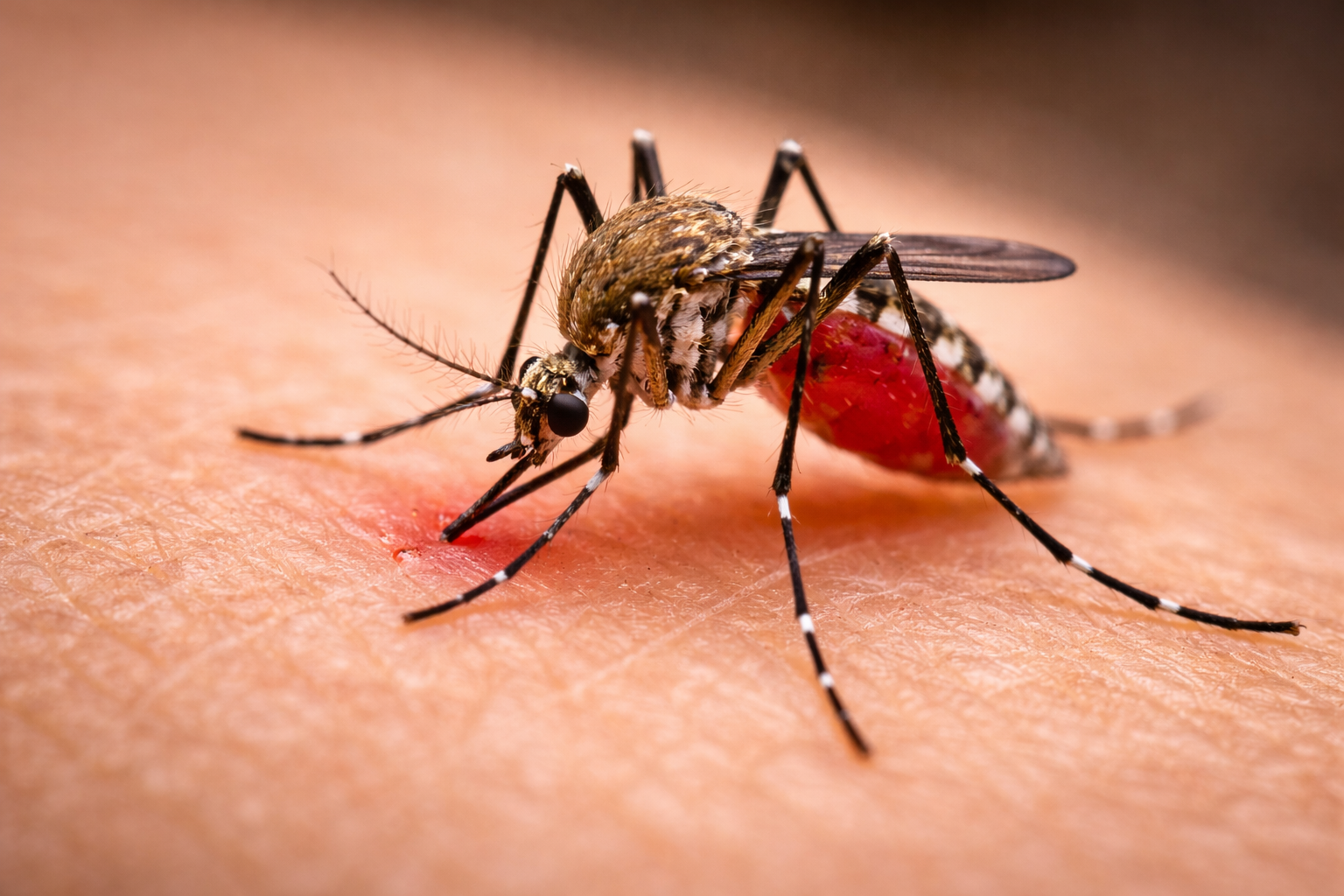
Mosquitoes and sand flies are among the most problematic biting insects in Cyprus, making outdoor living uncomfortable and posing serious health risks to people and pets.
At Damian Pest Control, we provide professional mosquito and sand fly control services for homes, villas, gardens, hotels, and outdoor areas across Paphos District, including Peyia, Polis, Coral Bay, Kouklia, Tala, and surrounding areas.
Our treatments focus on population reduction, breeding control, and long-term prevention.
Book a Free InspectionWhy Mosquito & Sand Fly Control Matters
Biting insects are not just annoying — they can spread disease and seriously impact quality of life.
Mosquitoes can transmit:
- West Nile Virus
- Other mosquito-borne illnesses present in the Mediterranean region
- Secondary infections from excessive scratching
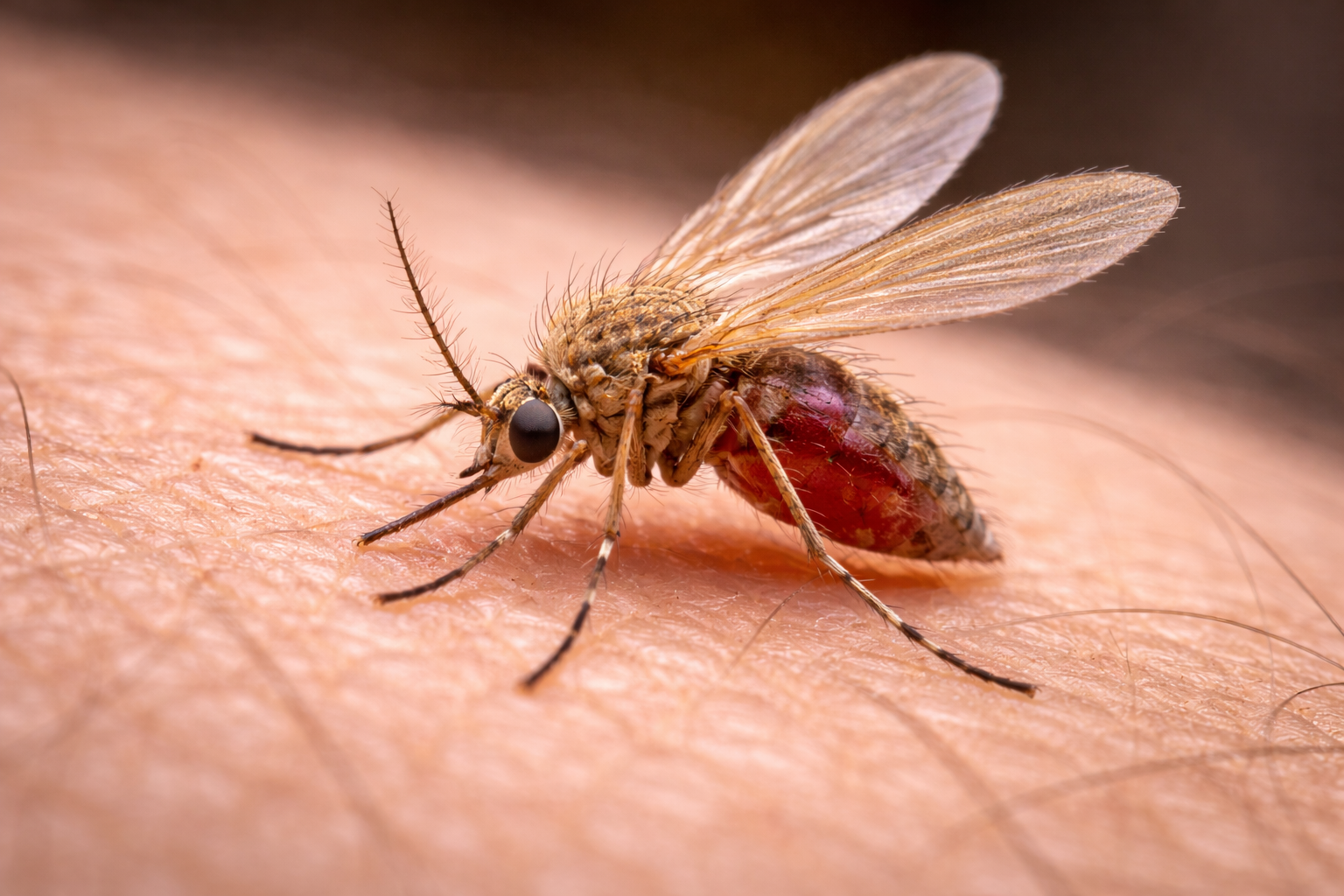
Sand flies can transmit:
- Leishmaniasis — a serious disease affecting dogs, and in rare cases humans
Cyprus’s warm climate allows both mosquitoes and sand flies to remain active for much of the year. If bites are combined with pet concerns, our Flea & Tick Control service can help differentiate risk factors.
Leishmaniasis in Cyprus: A Serious Risk for Dogs
Leishmaniasis is one of the most serious vector-borne diseases in Cyprus.
Key facts pet owners need to know:
- It is transmitted by sand flies, not mosquitoes
- Dogs are the most commonly affected
- Once infected, dogs often require lifelong treatment and monitoring
- There is no complete cure — only management
Early prevention through environmental control and bite reduction is critical for protecting pets. For broader household coverage, our Residential Pest Control plans can be coordinated alongside outdoor treatments.
Common Breeding & Resting Areas
Mosquitoes and sand flies thrive in:
- Standing water (plant saucers, drains, buckets)
- Irrigated gardens and lawns
- Shaded hedges and dense vegetation
- Stone walls and damp ground
- Areas near kennels and animal sleeping zones
Even small untreated areas can support large populations.
Our Mosquito & Sand Fly Control Process
A systematic approach to reduce biting insects and protect outdoor living areas.
Step 1: Property Inspection & Risk Assessment
We assess breeding sites, resting zones, pet exposure risks, and garden and irrigation conditions. This allows us to design a targeted treatment plan.
Step 2: Targeted Outdoor Treatment
Outdoor barrier treatments are applied to hedges, walls, and shaded areas, with treatment of resting zones and larval control where applicable. Treatments are precise and environmentally responsible.
Step 3: Prevention & Environmental Advice
We advise on eliminating standing water, adjusting irrigation schedules, reducing vegetation density, and protecting pet sleeping areas. Combining treatment with prevention delivers the best results.
Step 4: Seasonal Maintenance
Biting insect control is most effective with seasonal or ongoing treatments, especially during peak activity months.
Eco-Friendly & Pet-Safe Approach
- Use targeted, low-toxicity products
- Avoid blanket spraying
- Focus on high-risk zones only
- Follow Integrated Pest Management (IPM) principles
Our methods are suitable for homes with children and pets, when guidelines are followed.
Preparation & Safety
Before treatment:
- Remove pet bowls, toys, and bedding from outdoor areas
- Inform us of kennels or animal sleeping locations
After treatment:
- Follow technician guidance on re-entry times
- Avoid washing treated surfaces for the recommended period
Tip: How to reduce risk between treatments: Keep dogs indoors during dusk and dawn when sand flies are most active. Use veterinarian-approved repellents and avoid letting pets sleep outdoors near vegetation or stone walls. This simple step can significantly reduce Leishmaniasis risk.
Related Services
Mosquitoes or sand flies ruining your garden or worrying you about your pets?
Take action before populations increase.
Schedule Your Free Inspection